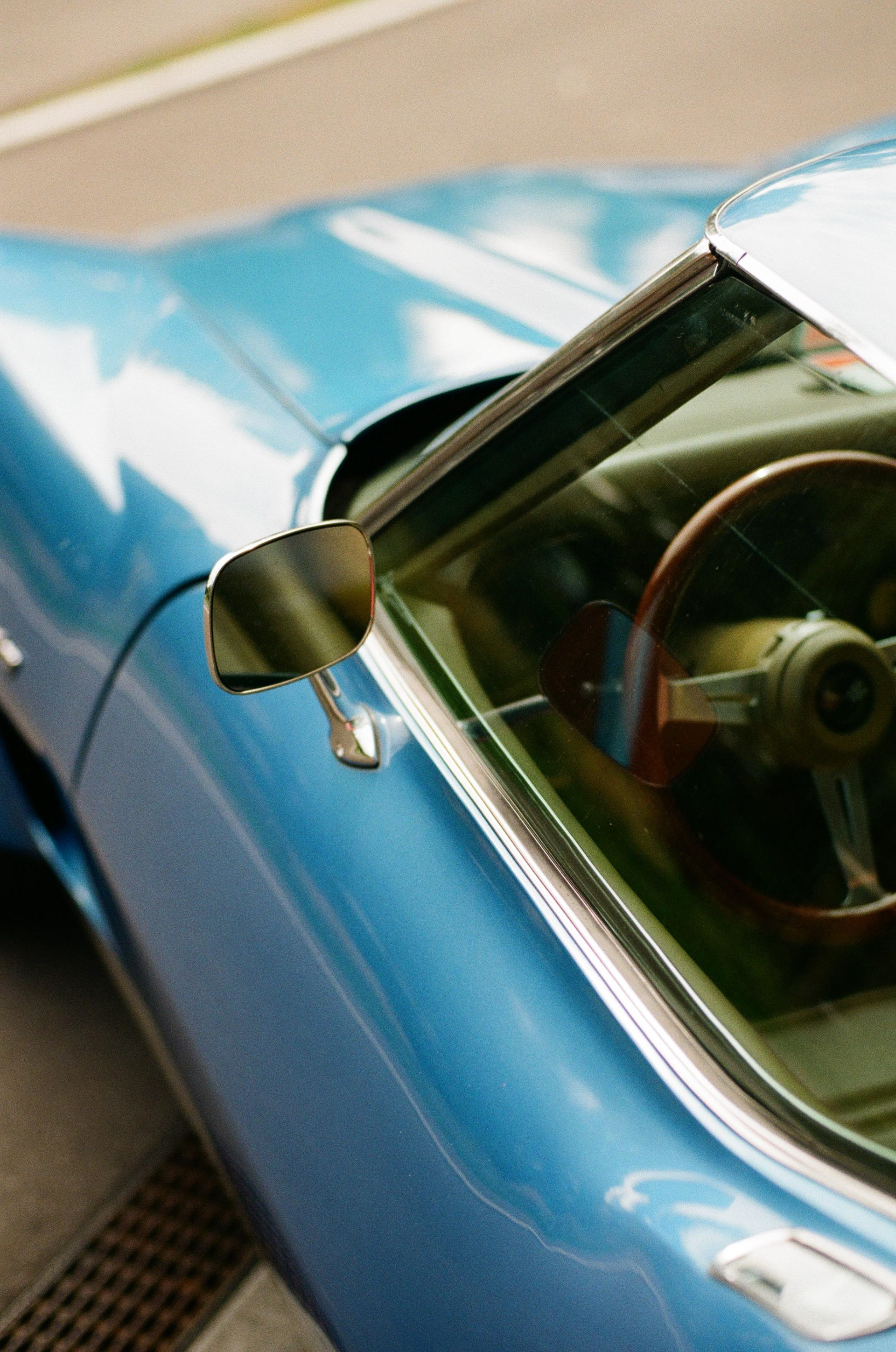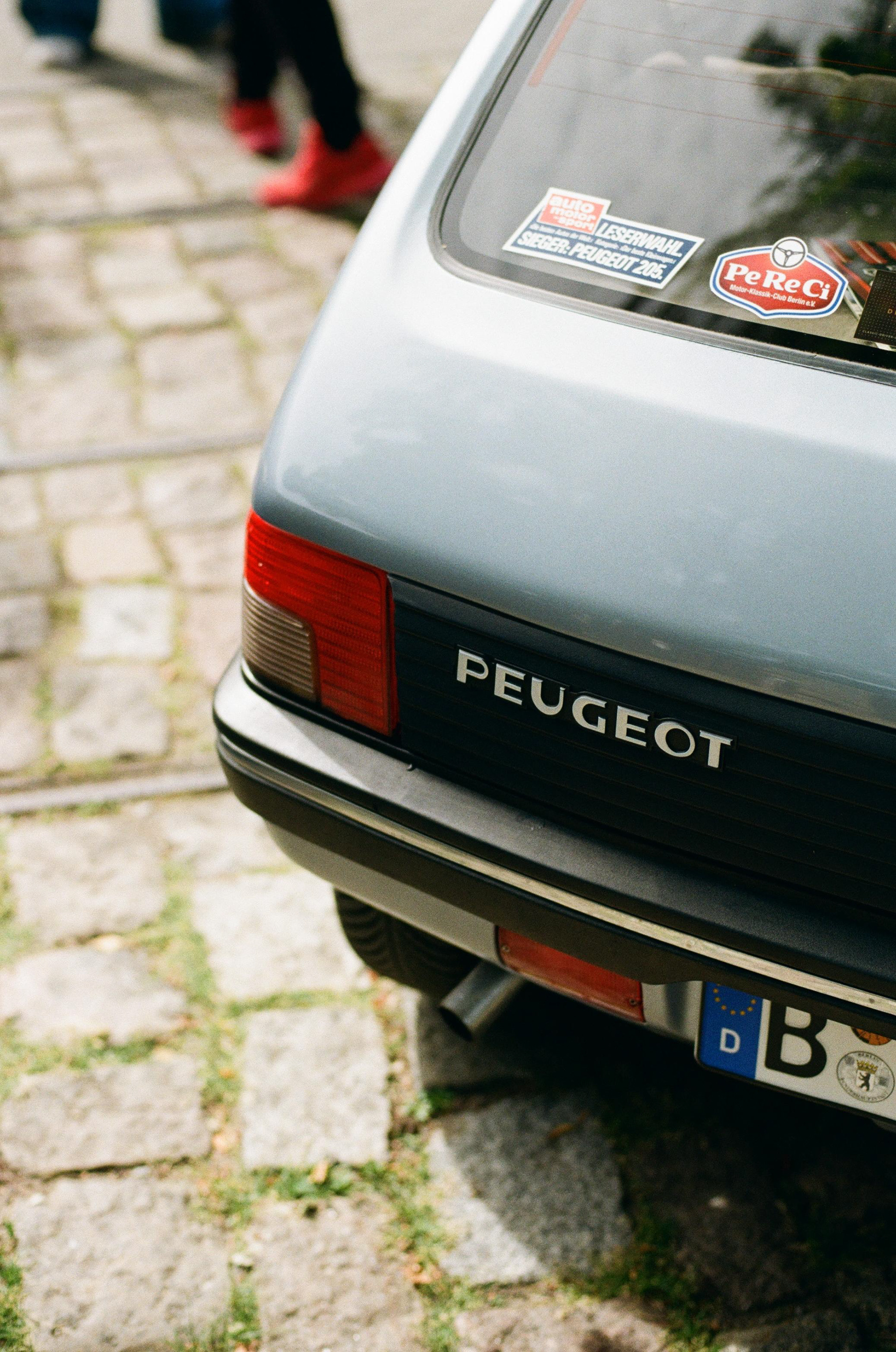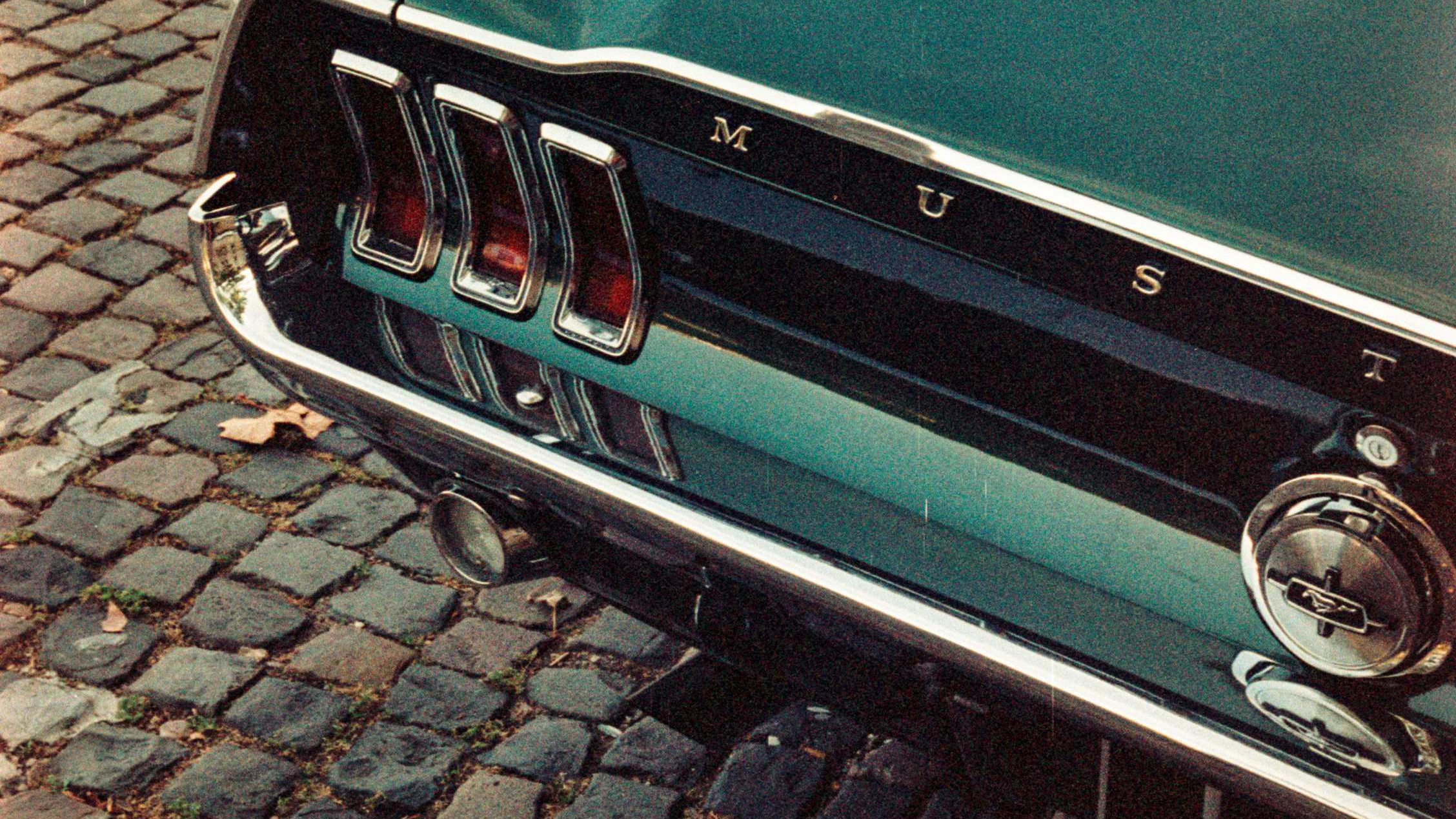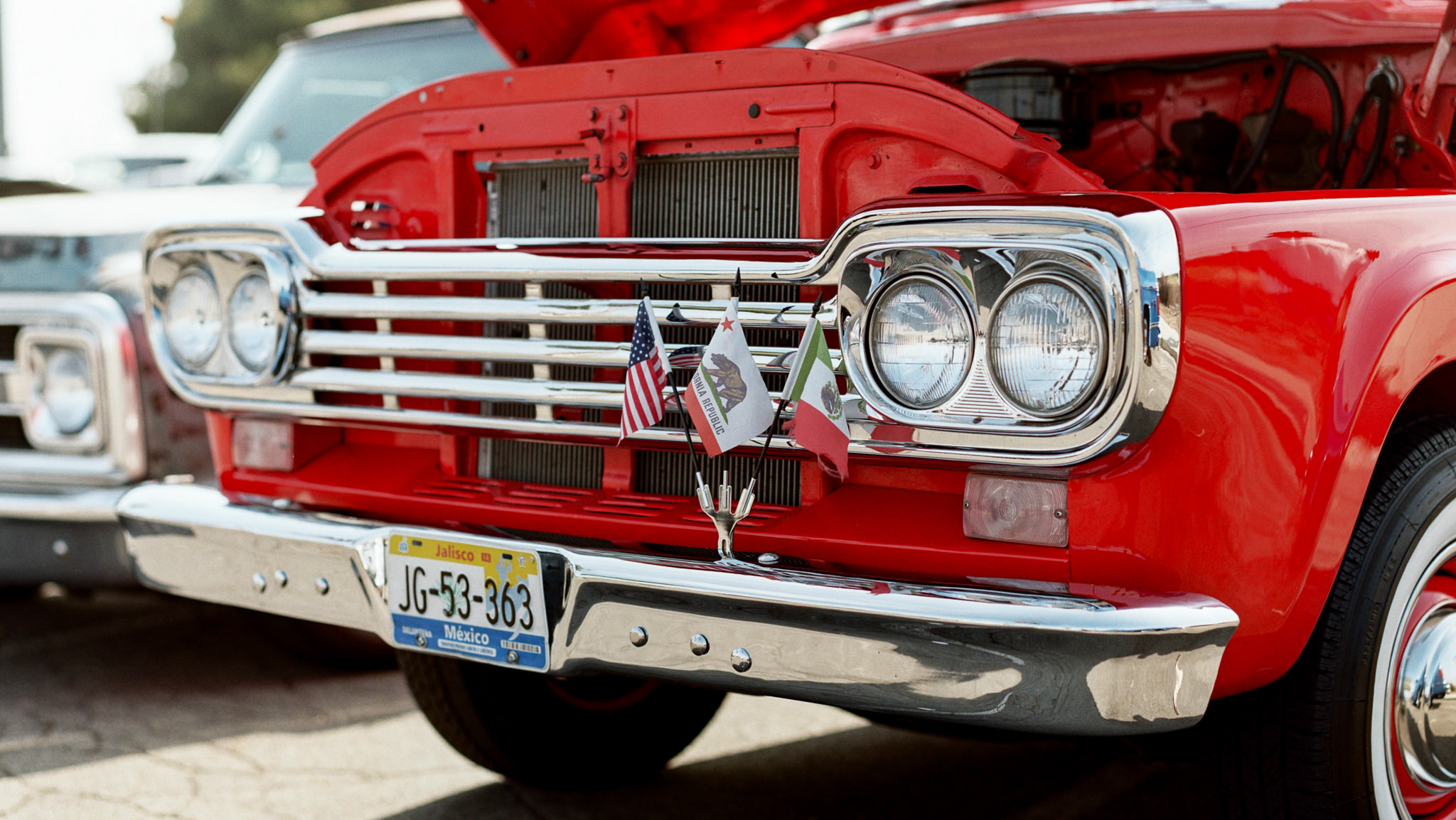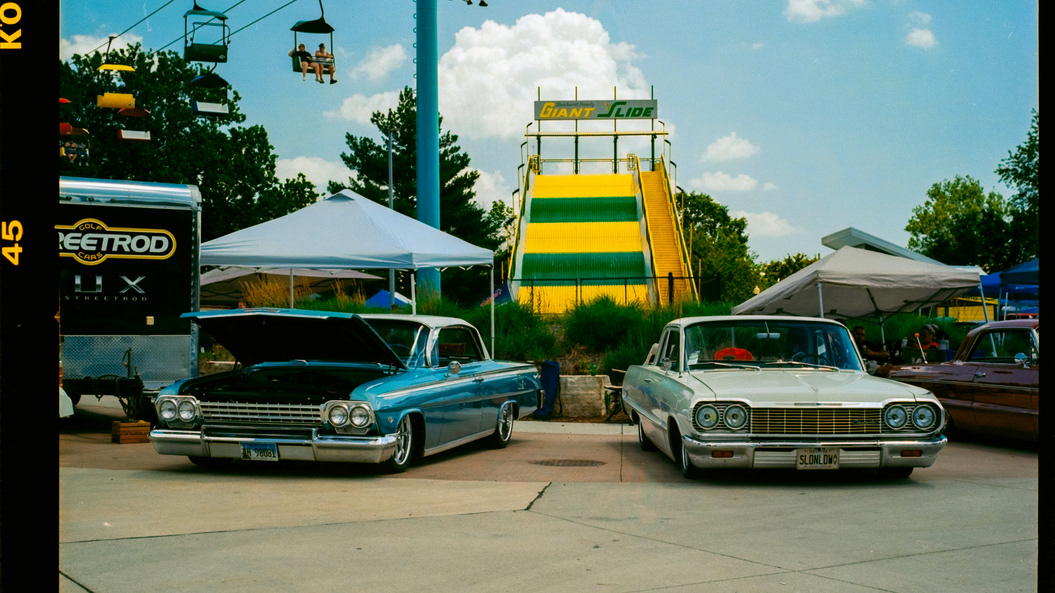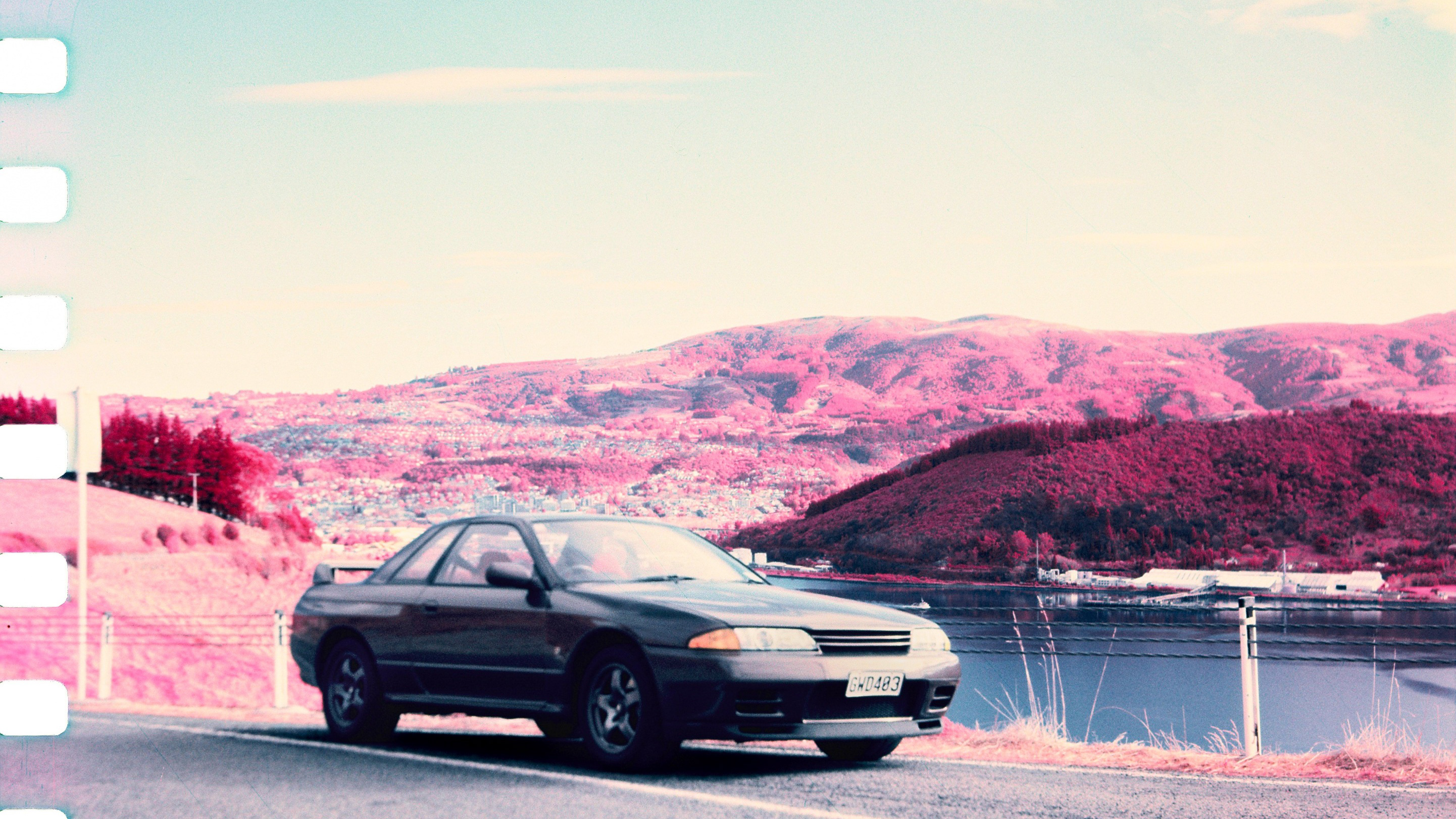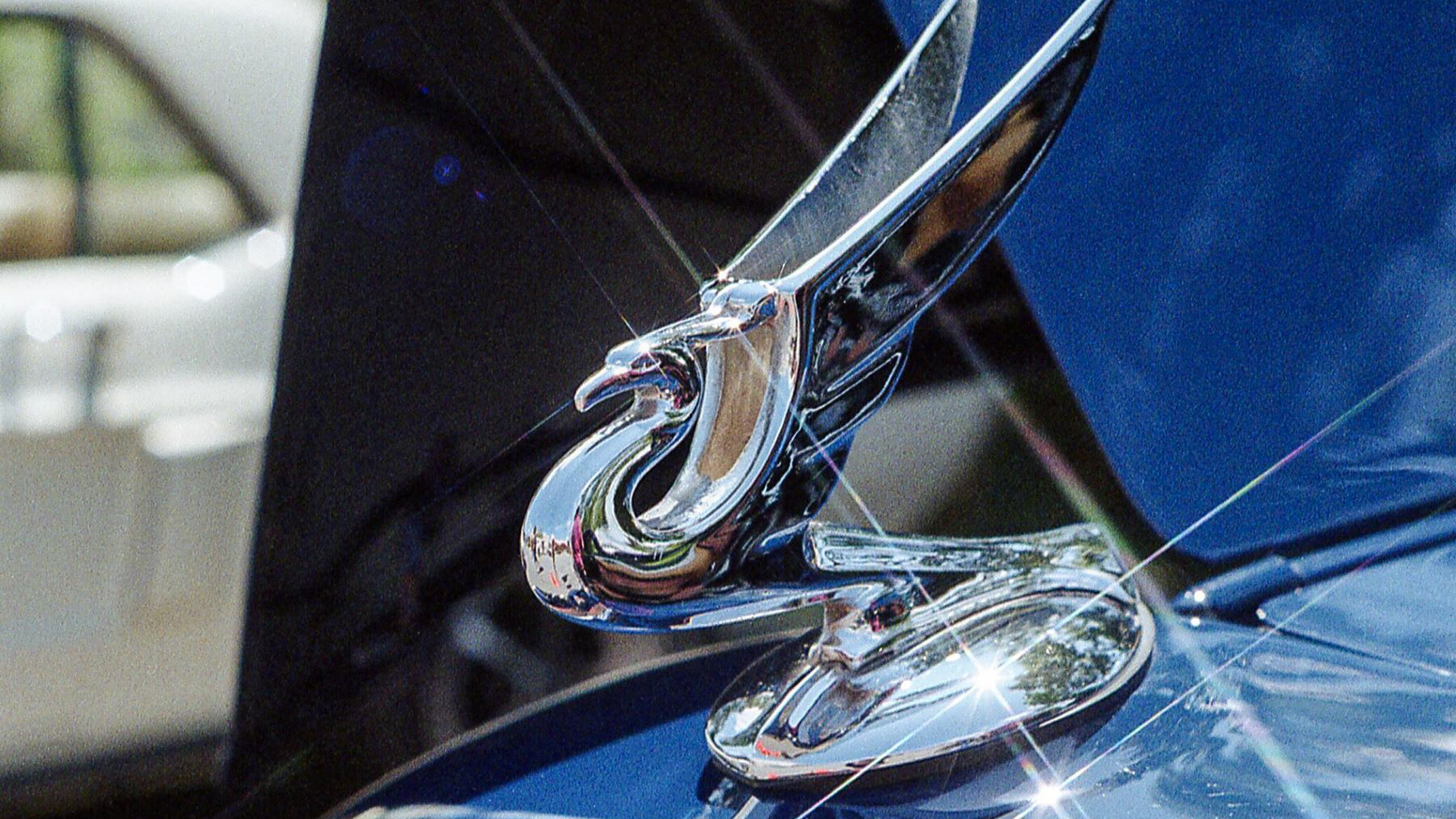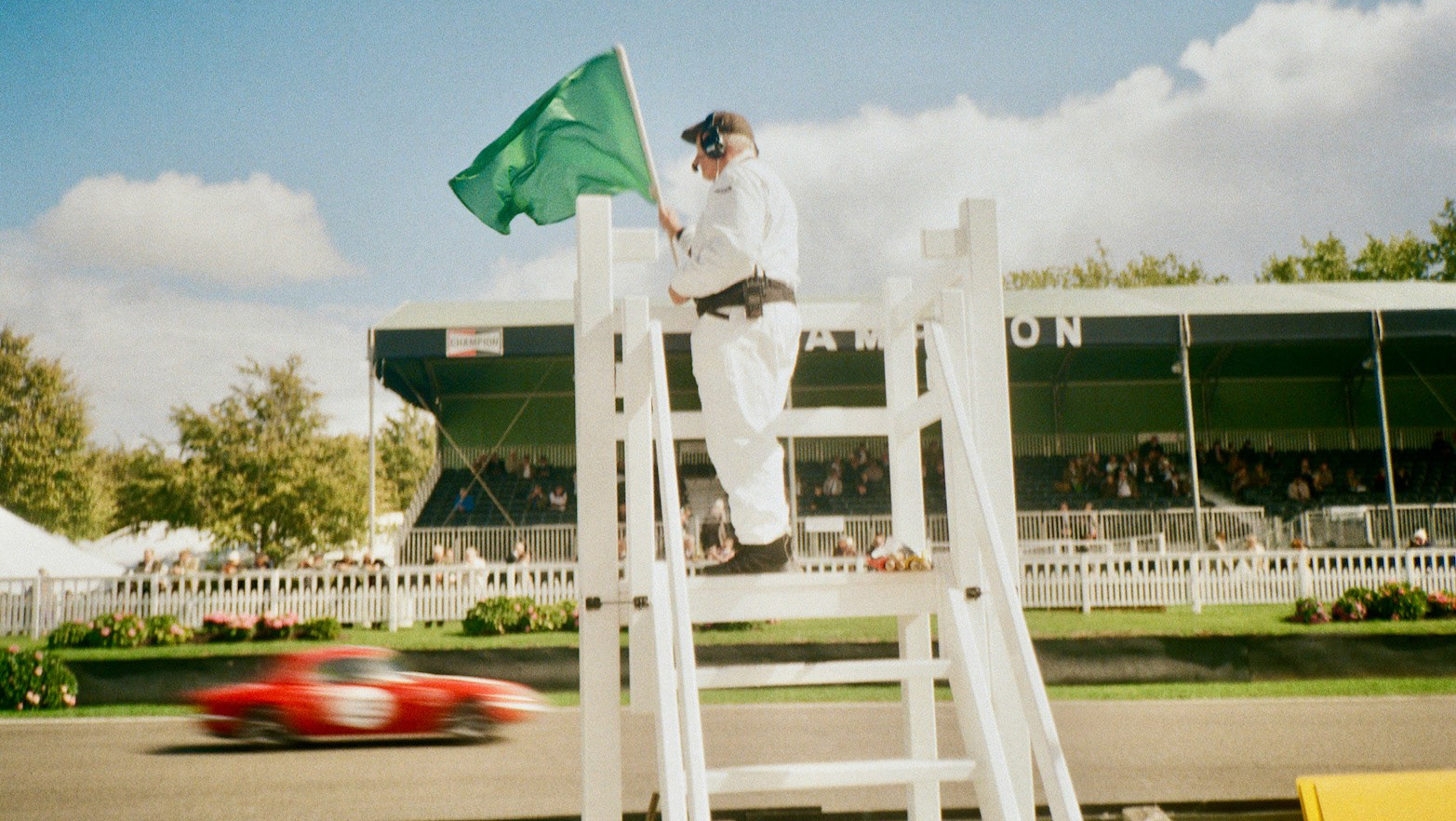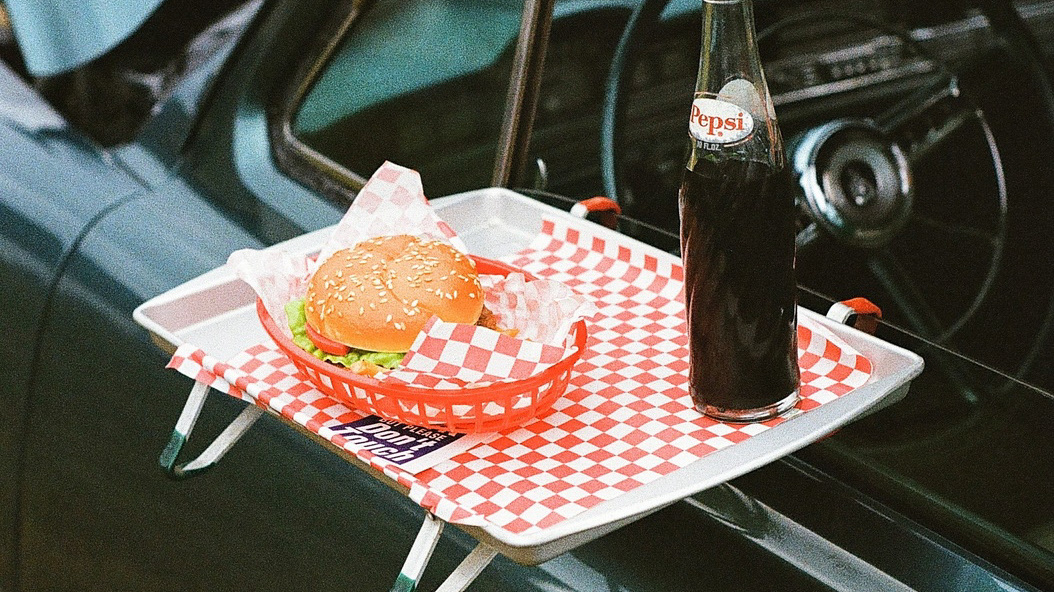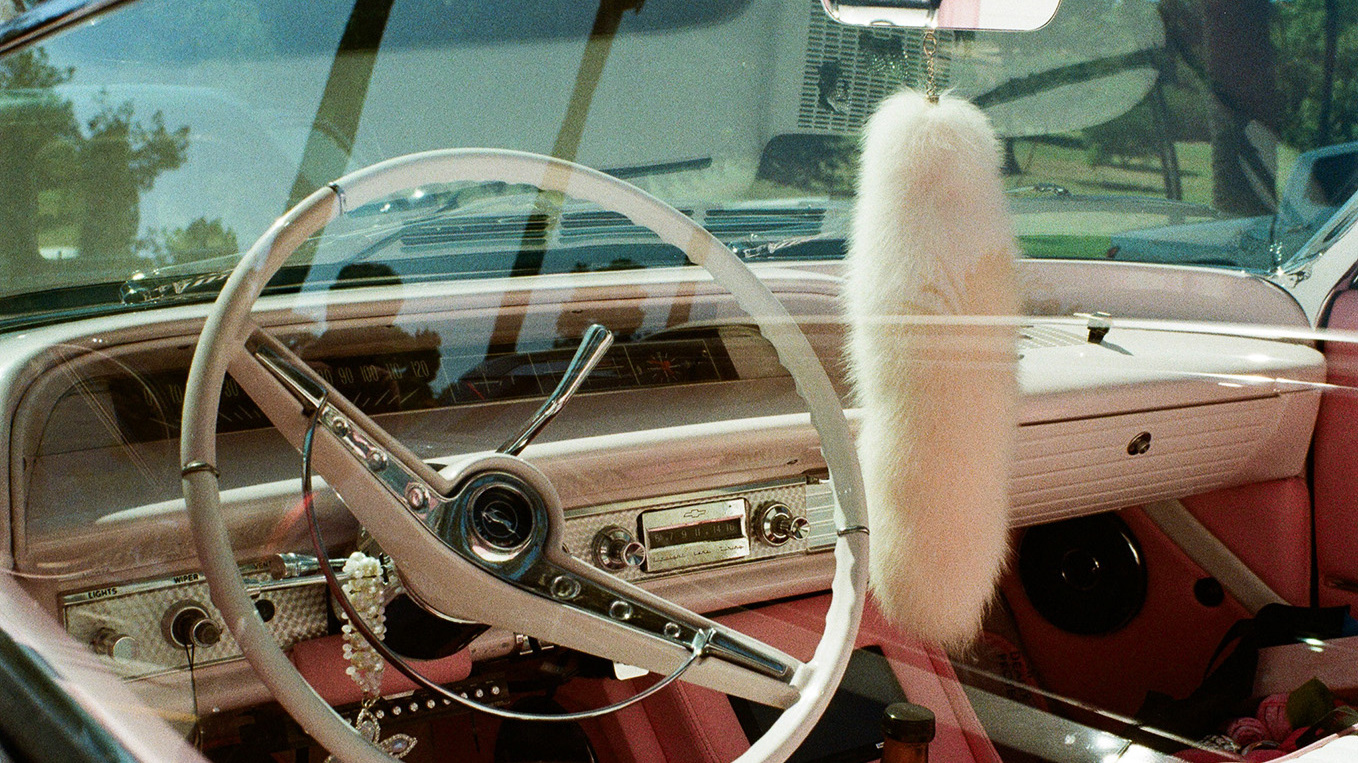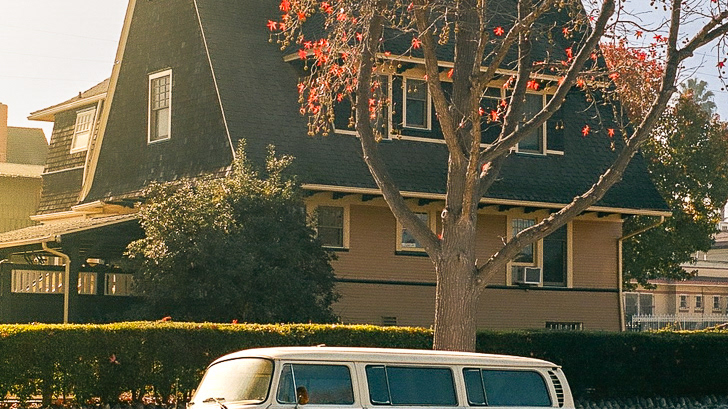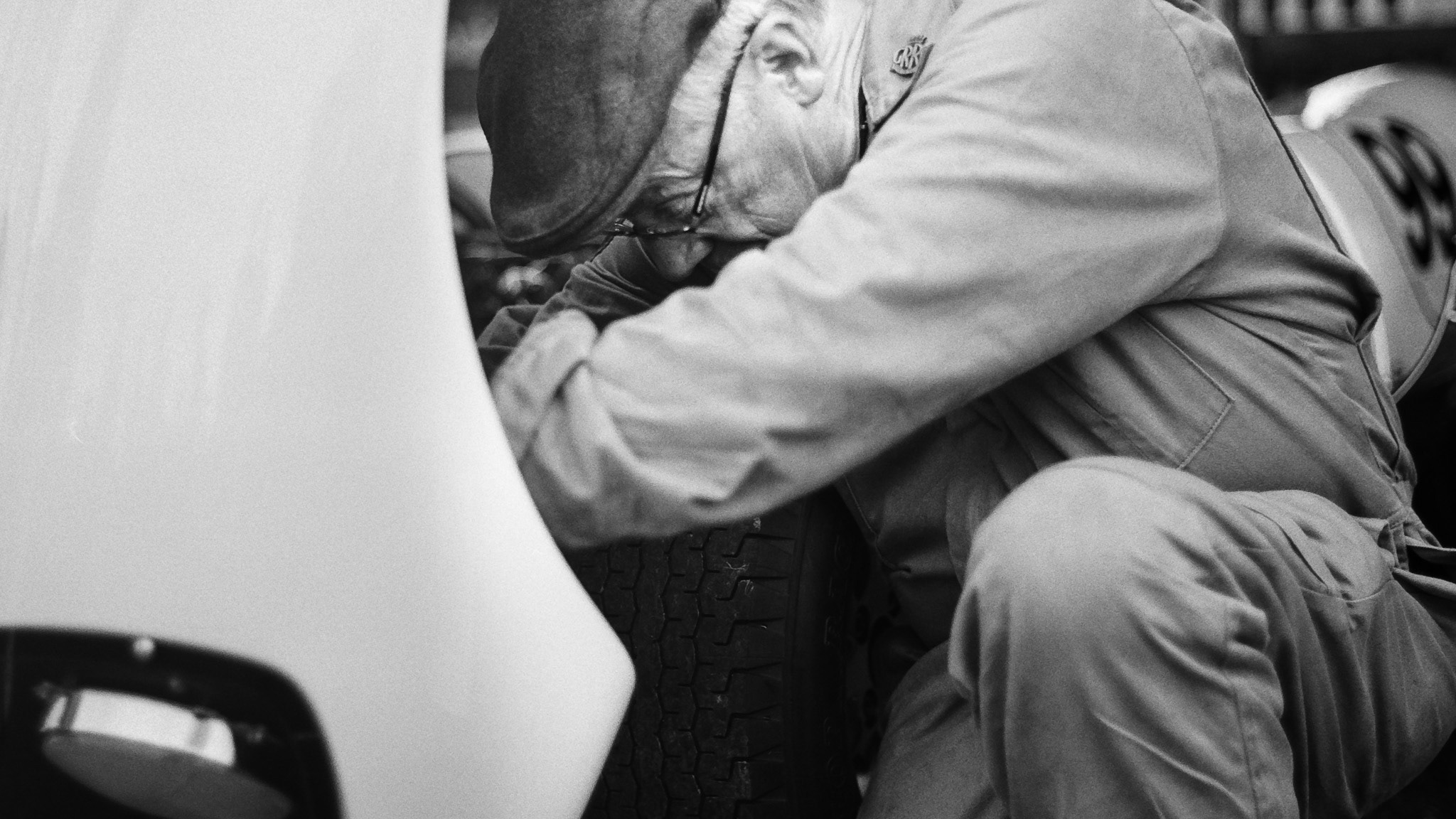
Raised on film and fueled by the road, Vincent blends nostalgia with analog precision and a sharp eye for detail. Rooted in instinct and everyday observation, his work captures cars as more than objects — moments, places, and quiet stories in motion. Get to know the mind behind the camera in our latest interview.
Age (or age range): 40
Where you live and/or where are you from?
I’ve been living in Berlin for 20 years, but I was born and raised in the north of France.
What is your earliest memory with a camera?
My father taking pictures of my brother and me on the first day of school each year, as a tradition, with his Olympus XA — his first camera, which he still uses to this day. That actually inspired me to get an OM2n when I (re)started shooting analog 5 years ago.
Do you remember your first roll of film?
I can’t remember exactly, but I do remember taking analog photos of my friends as a teenager with a Vivitar point-and-shoot camera I got as a gift. One fun fact is that I carried an undeveloped roll from that era with me when I moved to Berlin. I finally developed it 20 years later — the colors had faded, but it was incredibly surprising to recover those lost memories.
What drew you to photographing cars?
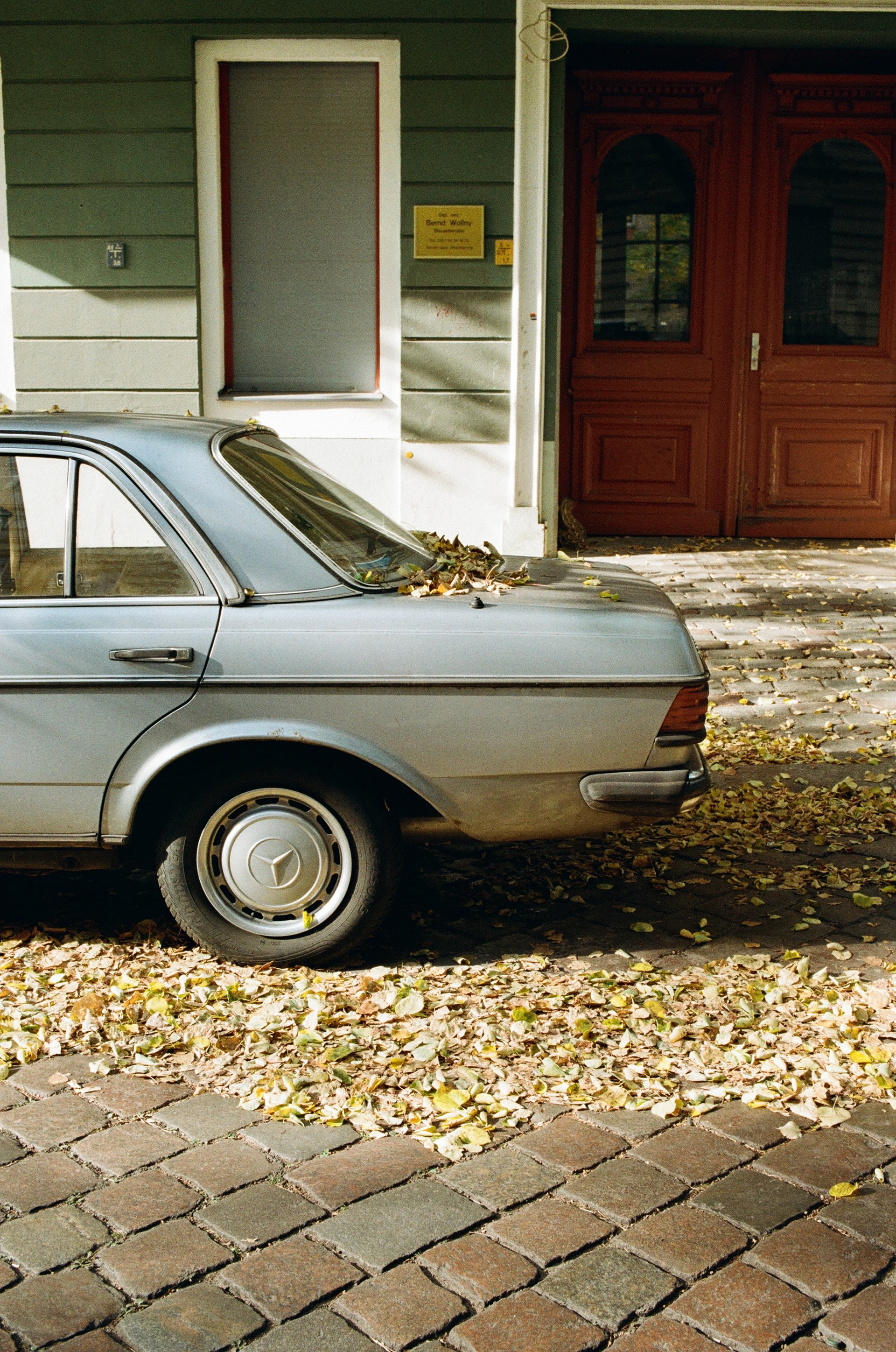
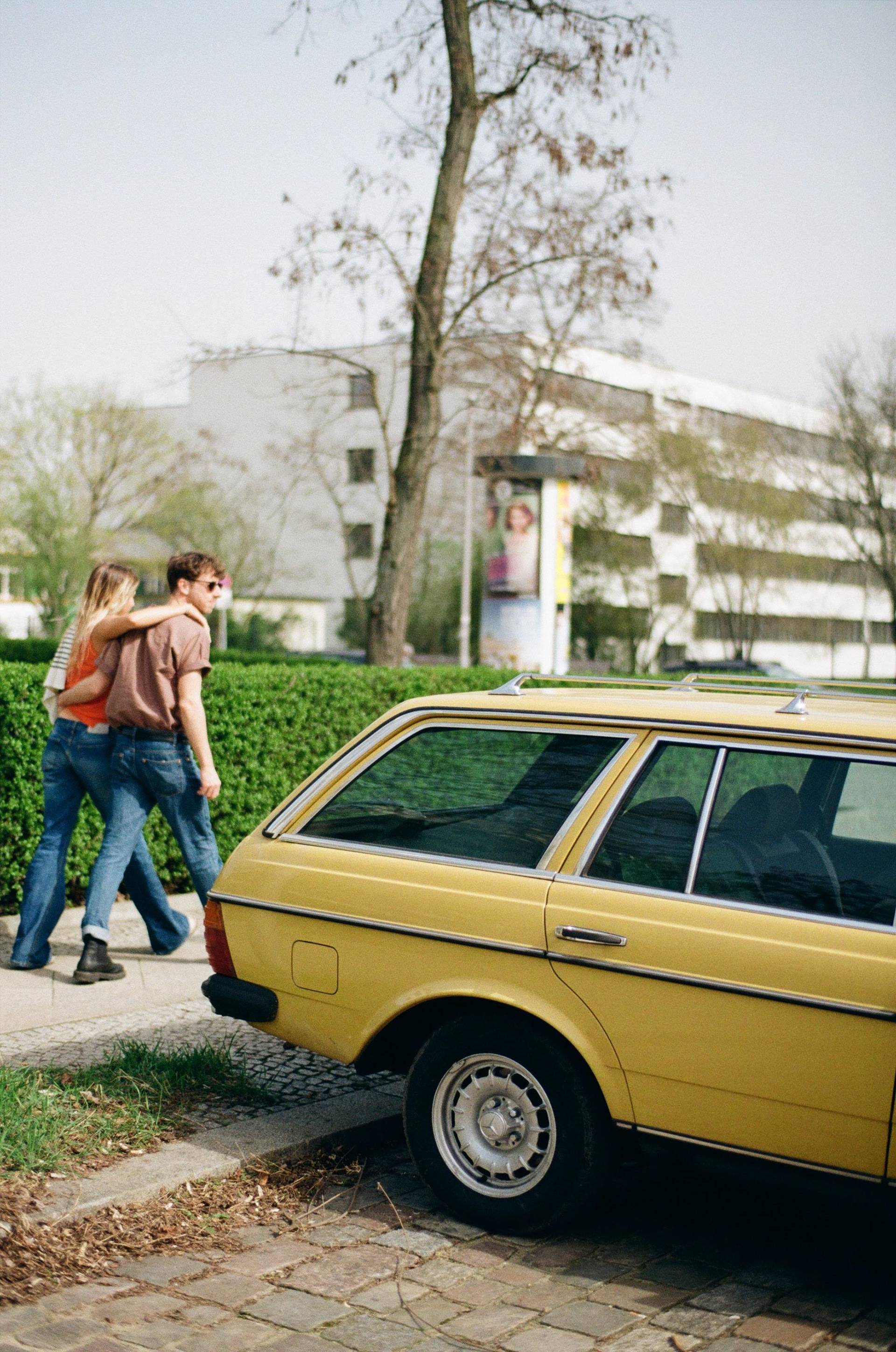
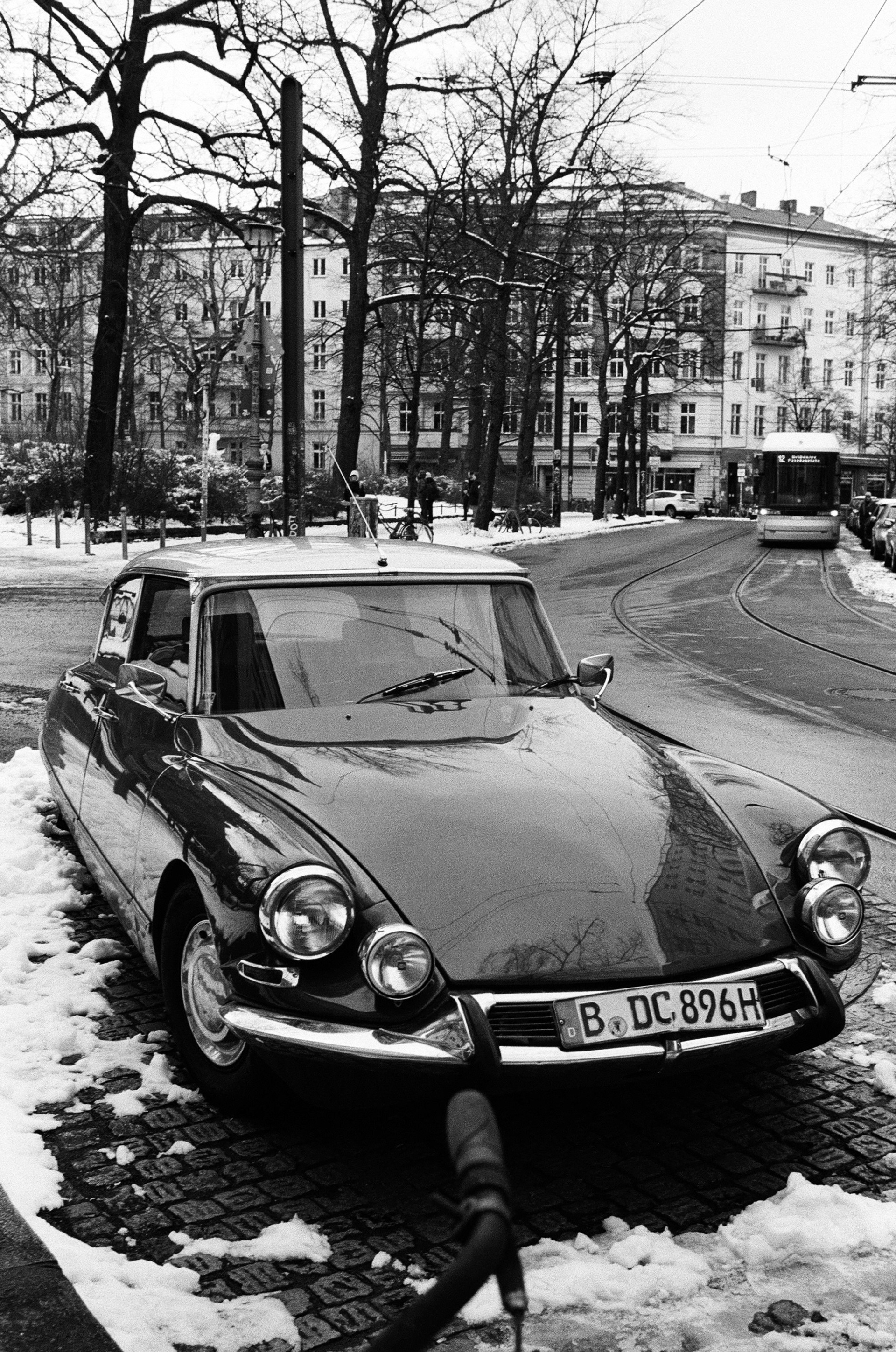
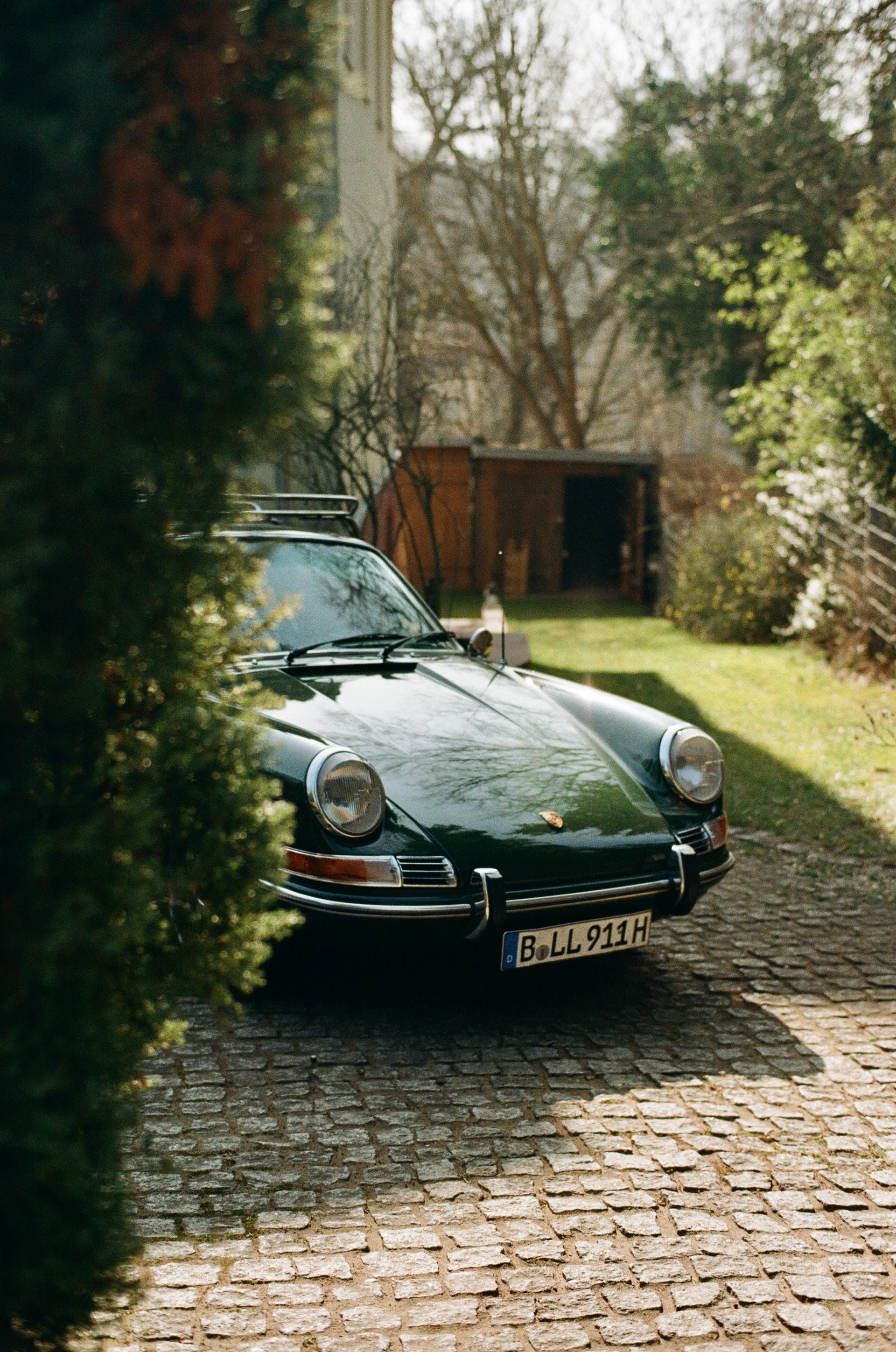
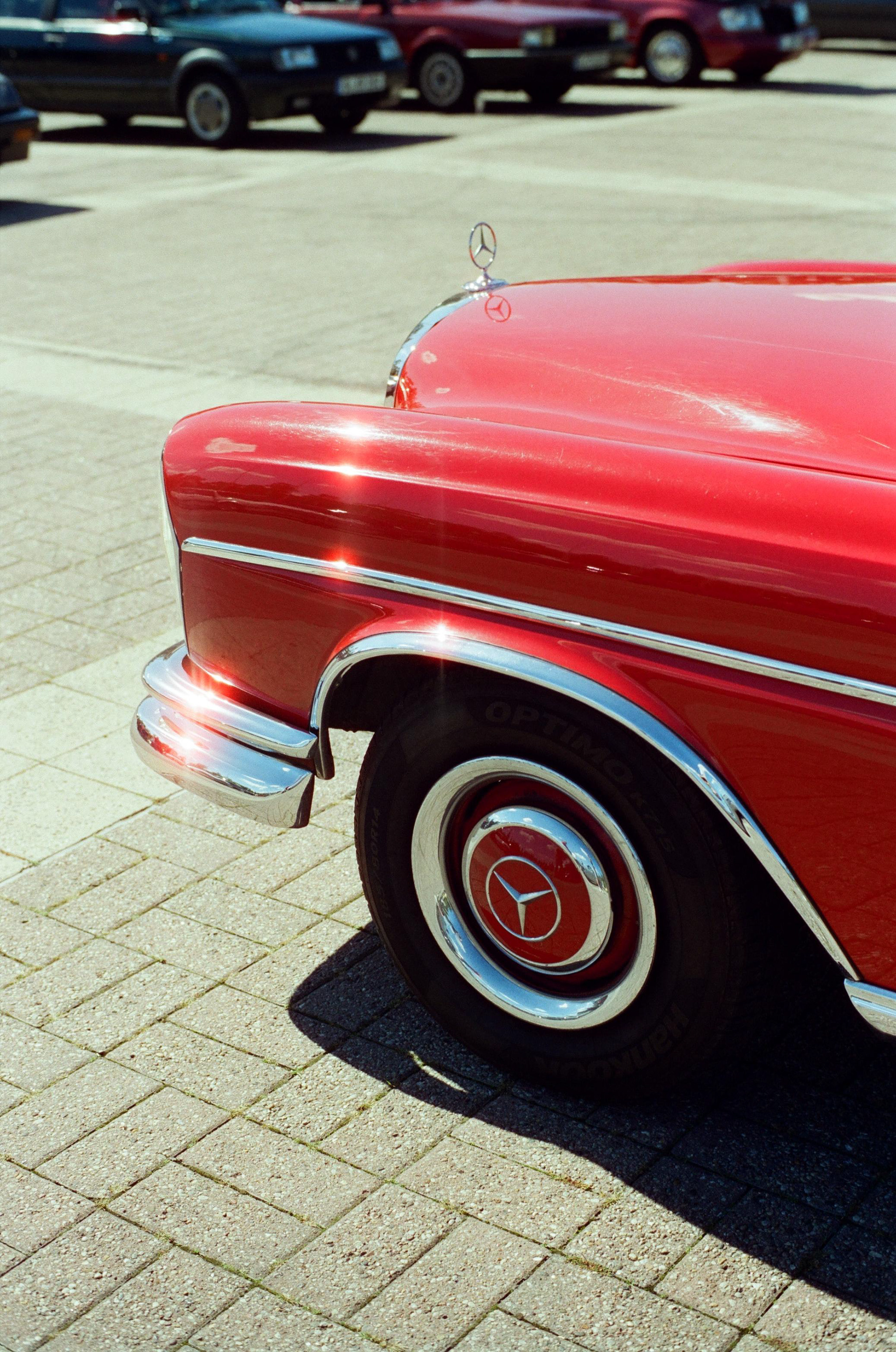
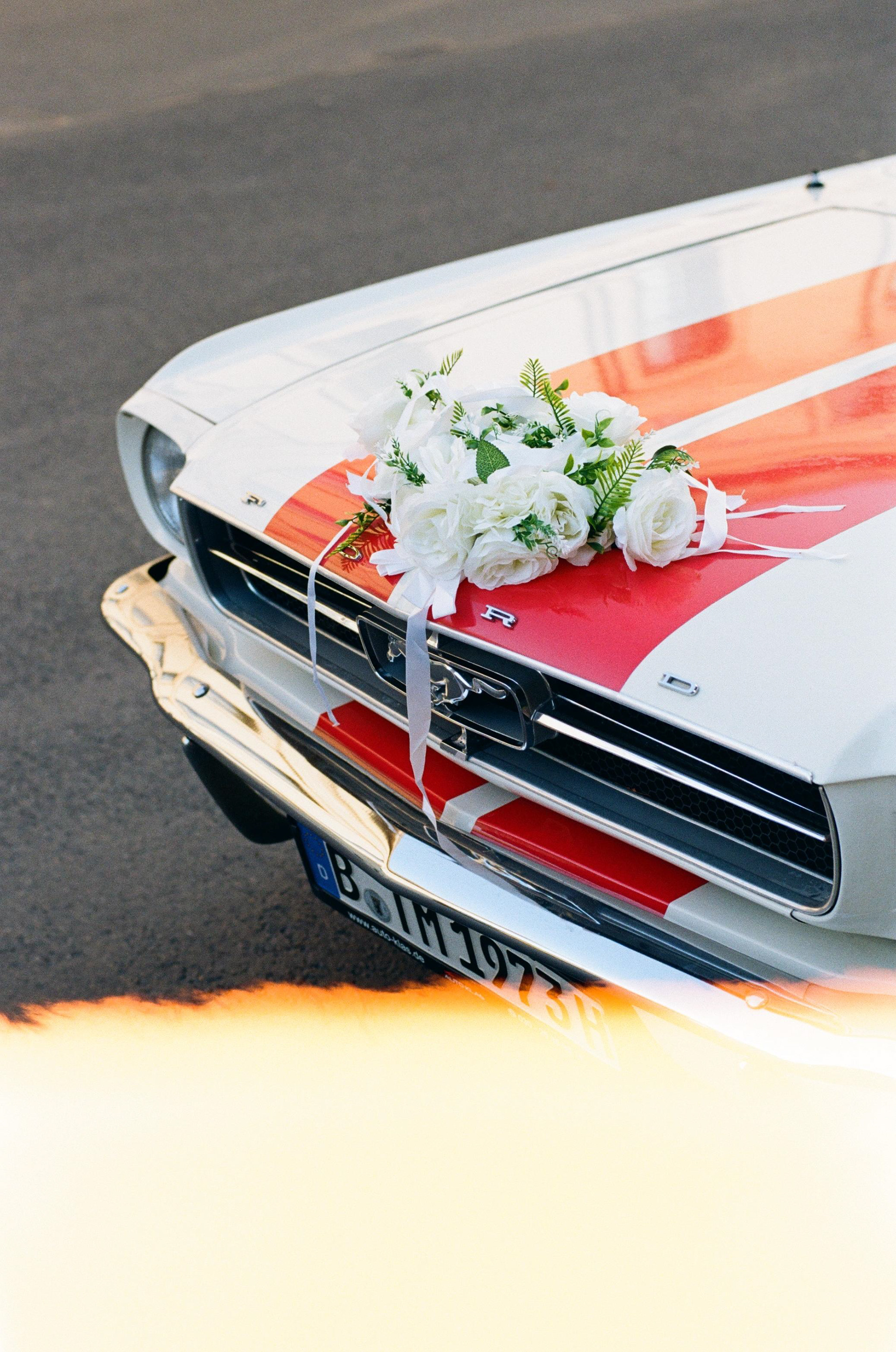
A mix of things — my dad being a huge car fan definitely played a role. I didn’t share his passion back then, as I was more into making music, but it makes me very nostalgic now. And of course, the timeless design of old cars helps me create nostalgic compositions. You don’t see that kind of uniqueness much anymore. Nowadays, cars all look the same to me. But maybe people felt the same back then too — who knows.
What do cars represent to you beyond the machine itself?
Cars represent freedom to me — that indescribable feeling of being on the road, driving at speed, just enjoying the ride rather than focusing on the destination.
What’s your process when planning a shoot?
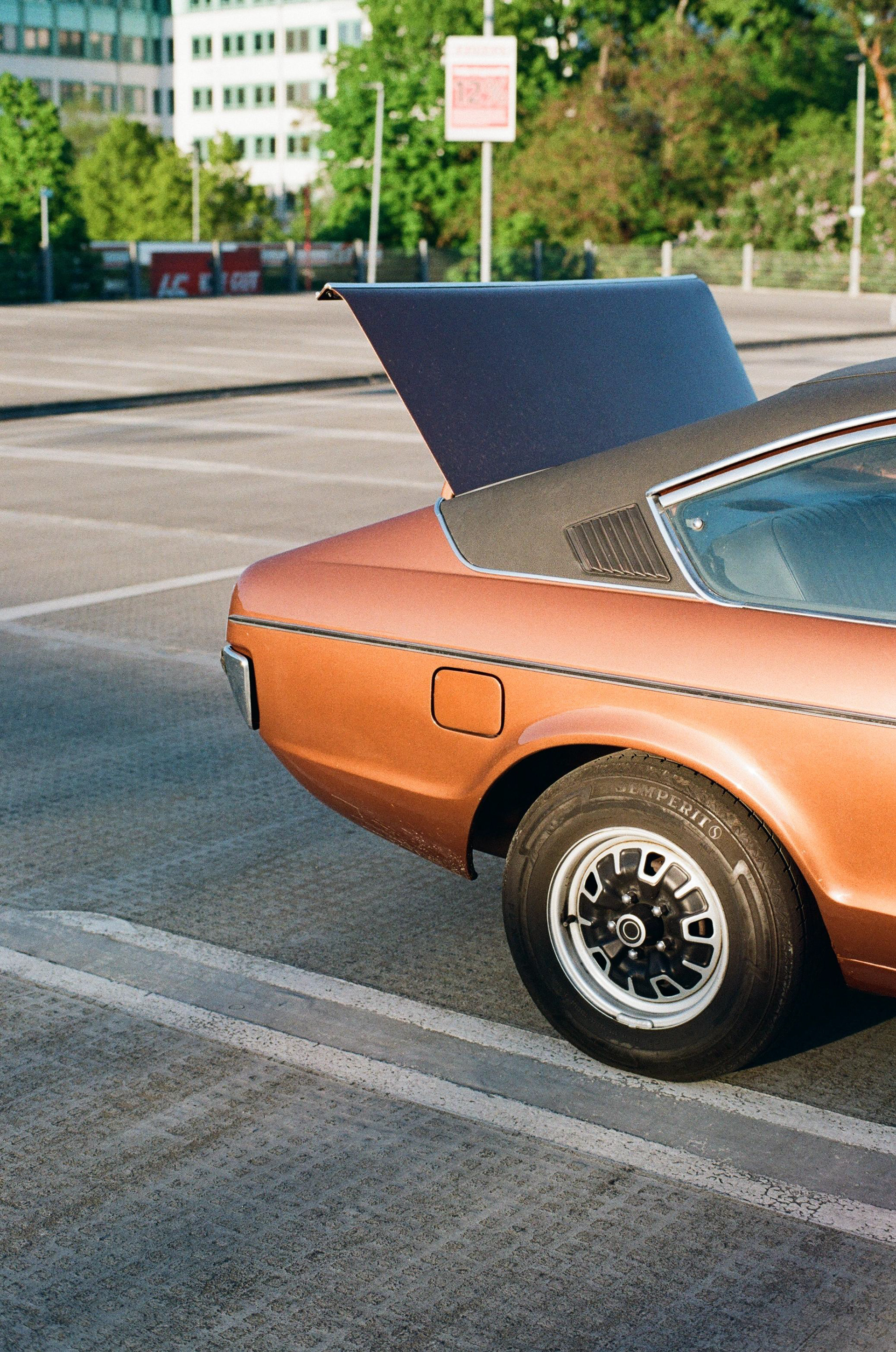
If I plan a shoot, I usually already have a location in mind — something I spotted before or discovered while traveling. Then I check the weather; if it’s sunny, I go early in the morning or late afternoon to get that soft light. I avoid shooting at midday, I’d rather wait for the sun to go down.
If I’m shooting spontaneously in Berlin or nearby, I pick a place I’ve never explored before, check a few impressions online, grab one of my cameras, and just drive there and walk around until I hit the last frame of the roll.
Film choice is simple — Kodak Gold for daytime and CineStill for night.
Is there a photographer, artist or genre that influences your photography and why?
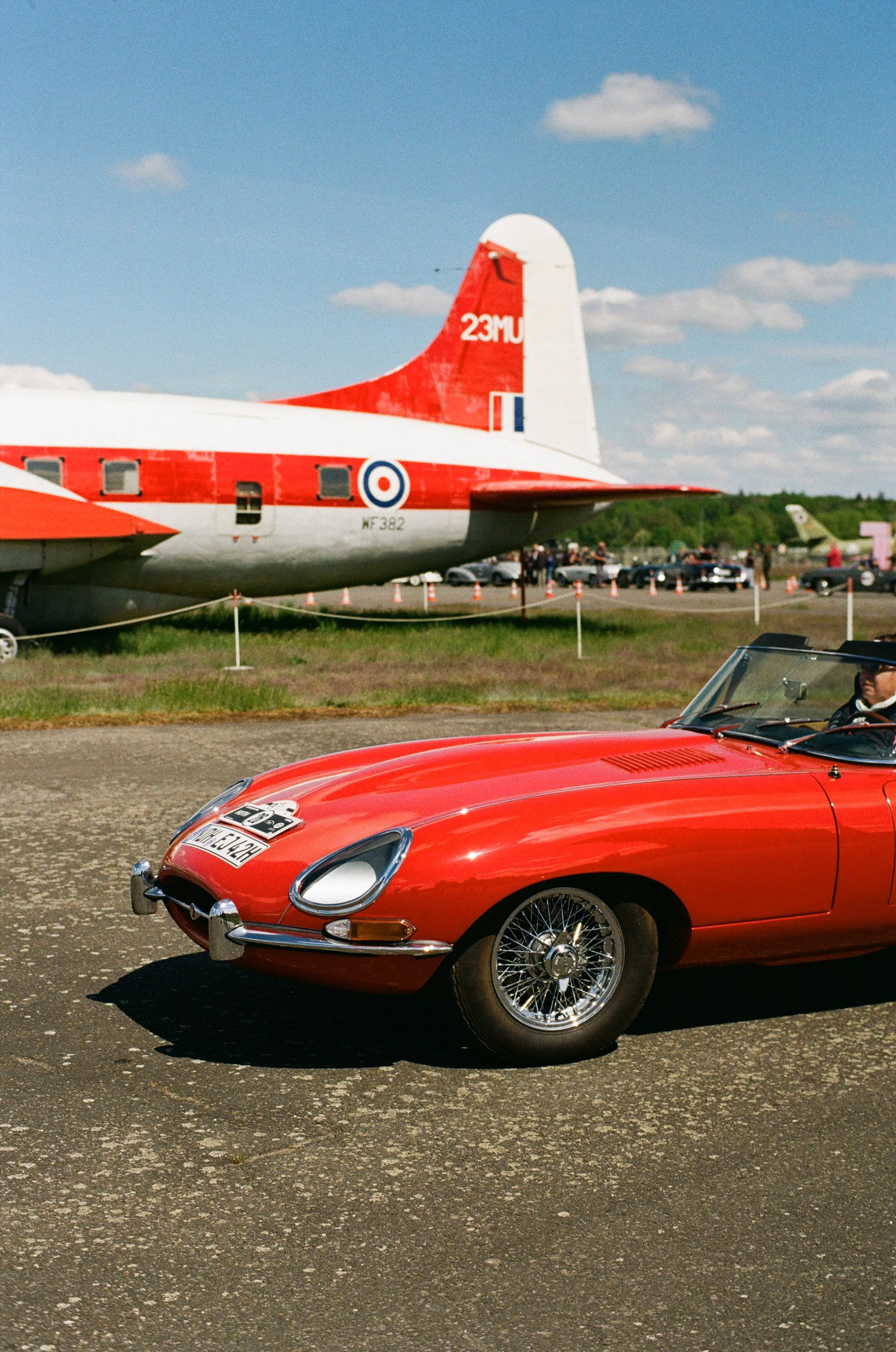
I’m really influenced by photographers I follow and interact with on Instagram daily — there are so many talented people. But seeing William Eggleston’s exhibition had a huge impact on me. He was a pioneer in using color film, and his compositions feel so nostalgic, full of the American culture I was exposed to while growing up.
Have you ever tried alternative development methods or film stocks for a specific creative effect?
Never. I let my lab handle all the developing and scanning — I don’t have the time, especially when I bring back 20 rolls from a trip. I’m not the experimenting type, even though I enjoy seeing those kinds of works; I like to get exactly what I framed, and I put too much effort into each shot to risk it.
What’s your go-to film camera for shooting and what would be your dream film camera to shoot with?
The Nikon F4 has been my favorite for two years now — super reliable. Before that, the F3 was my favorite. The F4 is a bit bulky and heavy with the 4 AAs (though handy if you run out of battery, which actually happened recently). It feels very close to the F3 in handling and controls, unlike the F5/F6. The 1/8000s shutter speed is insanely impressive for an analog camera and fits my style perfectly — shooting mostly wide open in bright situations and playing with background separation.
No dream camera.
How do you stay inspired when creativity feels low or stagnant?
Low creativity hits me quite often in Berlin when everything feels gray, so I try not to force it. In the end, I often plan a trip — I know that being somewhere new always gets me back into a full creative flow, away from everyday stress, and then I have something exciting to look forward to, collecting ideas along the way.
Which car have you been waiting to shoot and have yet to encounter?
The DeLorean, of course. I’ve seen one before but wasn’t shooting at the time. I’d also love to find a Peugeot 405 Mi16 — my dad used to own one, and it brings back so many memories from our road trips through France.
Have you ever completely messed up a roll? What happened and what did you learn from it?
Yes, twice actually. Once I mixed up a roll and brought an unexposed one to the lab. But the worst was last year: somehow I didn’t load the film properly in my Nikon F3, so I spent the whole day shooting “in the air” (as we say in French). When I hit 40 frames with no resistance, I knew what had happened — I guess I knew it would happen one day. I was super upset in the moment, but later thought, at least it happened in Berlin, not in a place I was visiting just once.
From it, I learned to advance the roll a few extra frames instead of worrying about saving shots.
What’s your favorite season or time of year for shooting cars, and what makes it special?
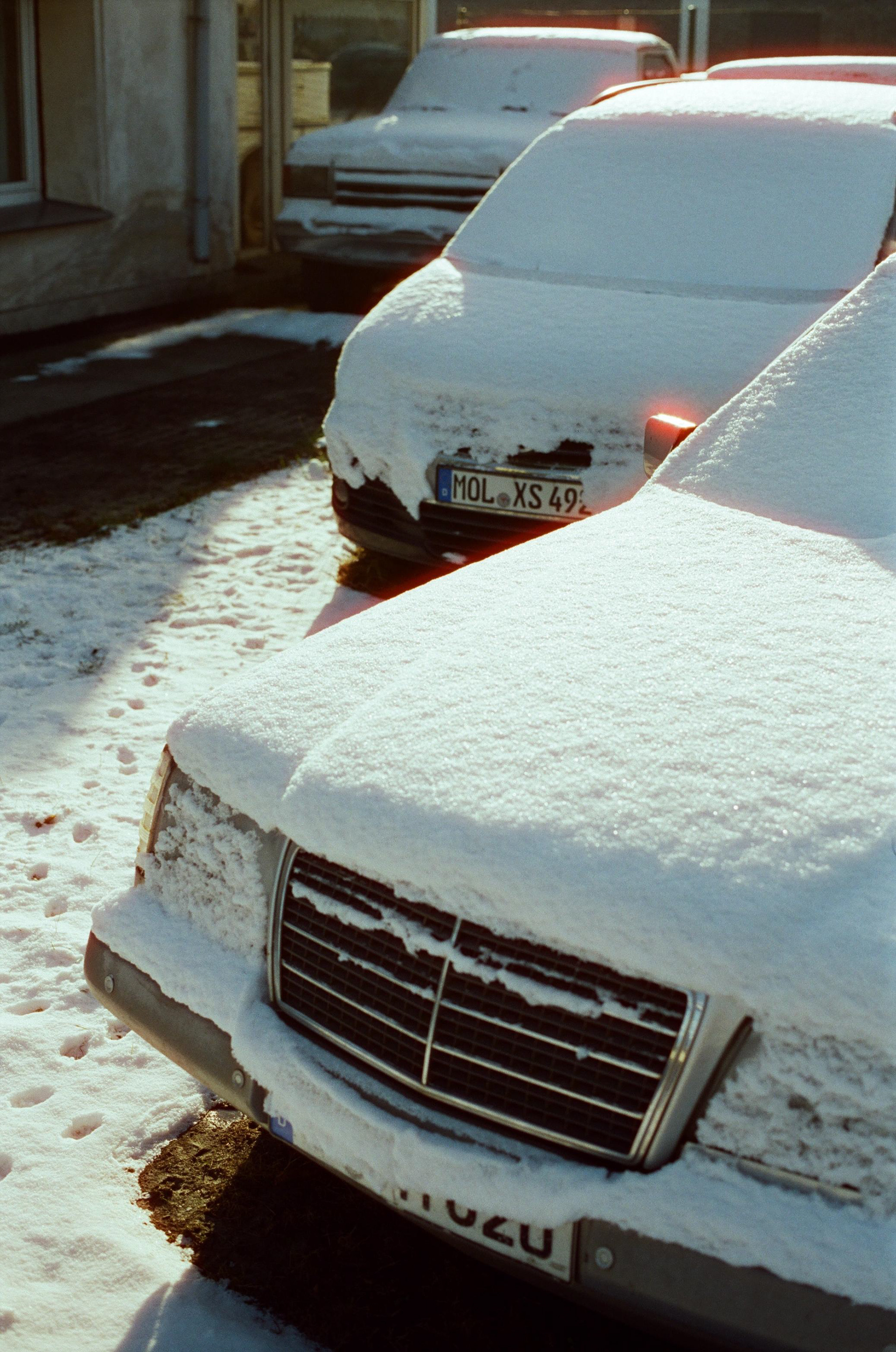
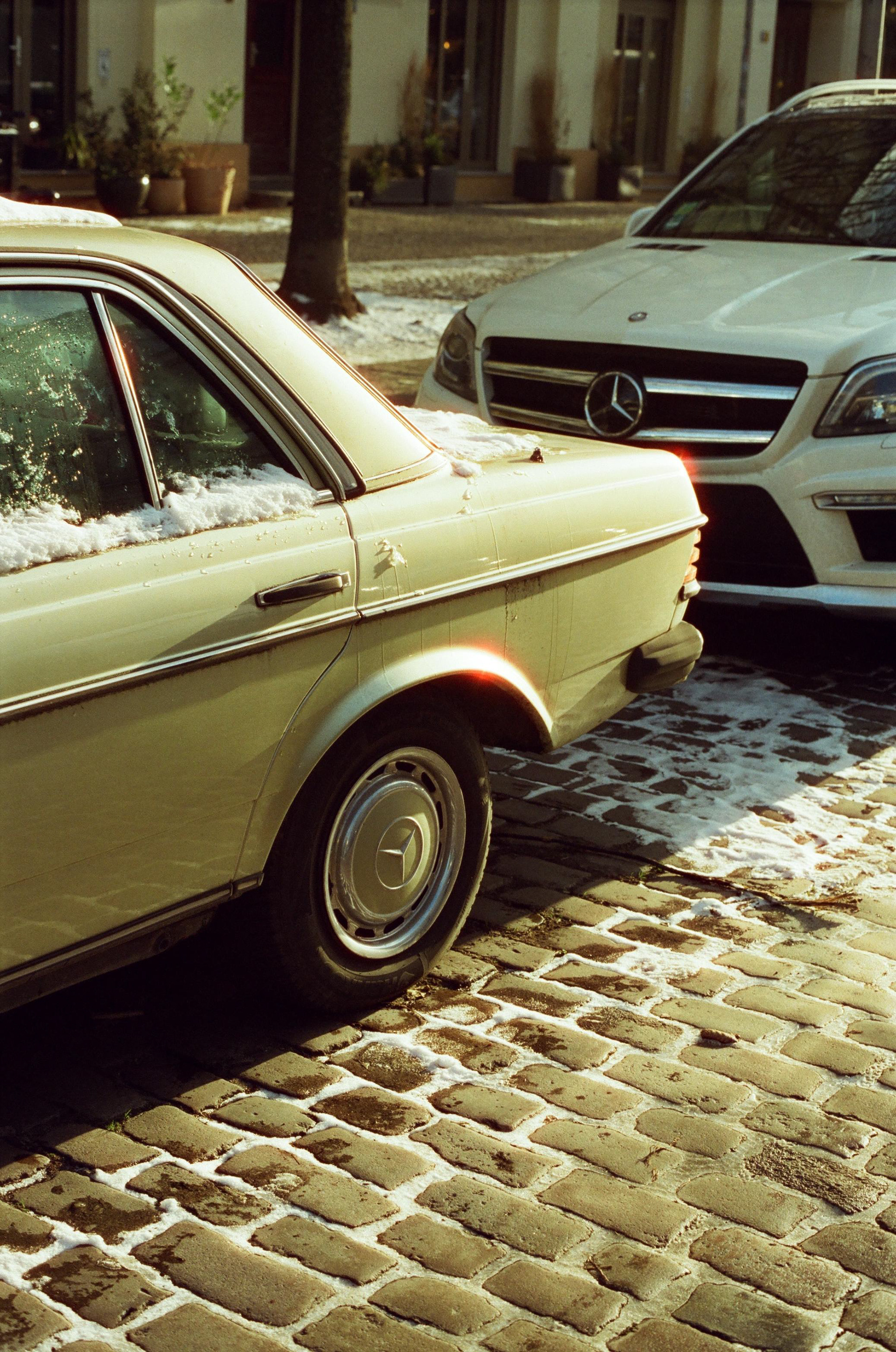
I love fall and snowy days — they add atmosphere and interesting elements to the composition with the car, though it’s harder to get perfect lighting conditions here in Berlin during those times.
What’s the best advice you’ve received about photography — and who gave it to you?
I can’t remember who said it, but: go out, shoot, find your own style, and figure out which camera works best for you.
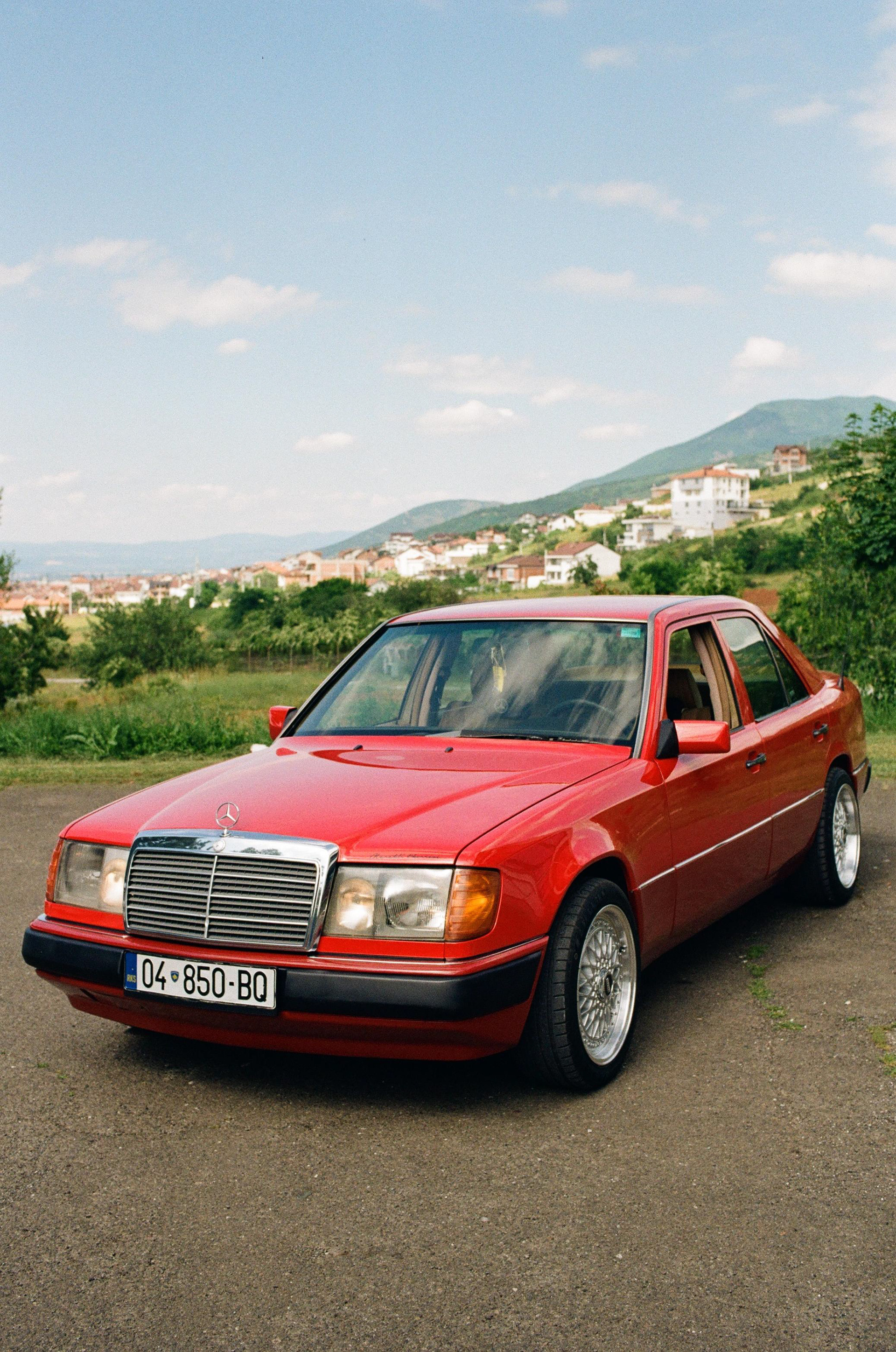
What do you hope to transmit with your photographs?
One year ago, I would have said a feeling of nostalgia. But today, with the rise of AI, where anything can be generated without even stepping outside, I want to show something real — a true representation of our world, made with passion and human effort. The irony is that my work is probably already being used to train models to replicate this, but I believe there will always be a strong audience that appreciates this kind of work in the future.
Is there anything that you'd like to promote? I.e. Your business website and what you do, other social channels, or projects you wanna promote?
Nope.